Agnostic.com

All Things Astronomy

Like NPR "All Things Considered" with a focus on astronomy and space topics to include... literally any object or phenomenon above Earth's atmosphere. (PLEASE abstain from posting anything about astrology)

Like NPR "All Things Considered" with a focus on astronomy and space topics to include... literally any object or phenomenon above Earth's atmosphere. (PLEASE abstain from posting anything about astrology)

Most Liked Posts By Hathacat (178) (Page 28 / 31) Posts by anyone

All Things Astronomy
May 14, 2018May 2018

Posted by AntaresRose
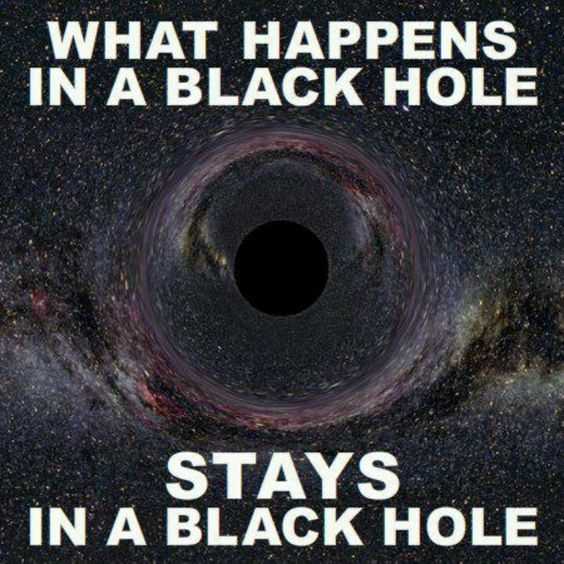
Great picture of a hole! Ewww, I know I don't want to go in.
0 comments
All Things Astronomy
May 15, 2018May 2018

Posted by AntaresRose
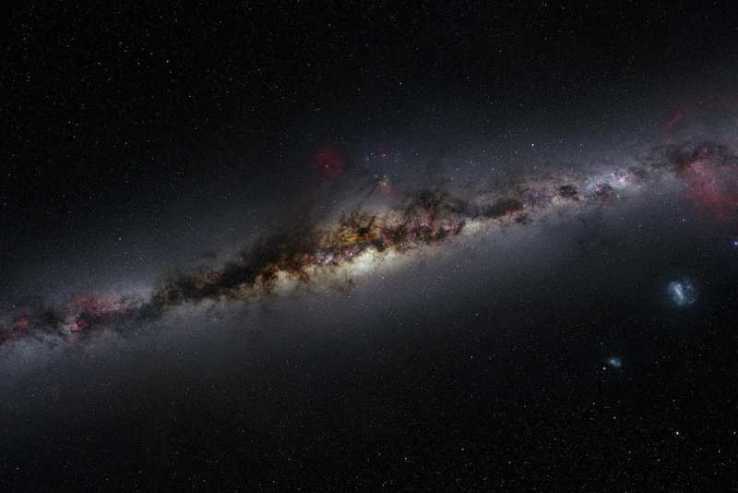
The Milky Way Galaxy is our home galaxy in the universe. It is a fairly typical barred spiral with four major arms in its disk, at least one spur, and a newly discovered outer arm. The galactic centre, which is located about 26,000 light-years from ...
0 comments
All Things Astronomy
May 15, 2018May 2018

Posted by AntaresRose
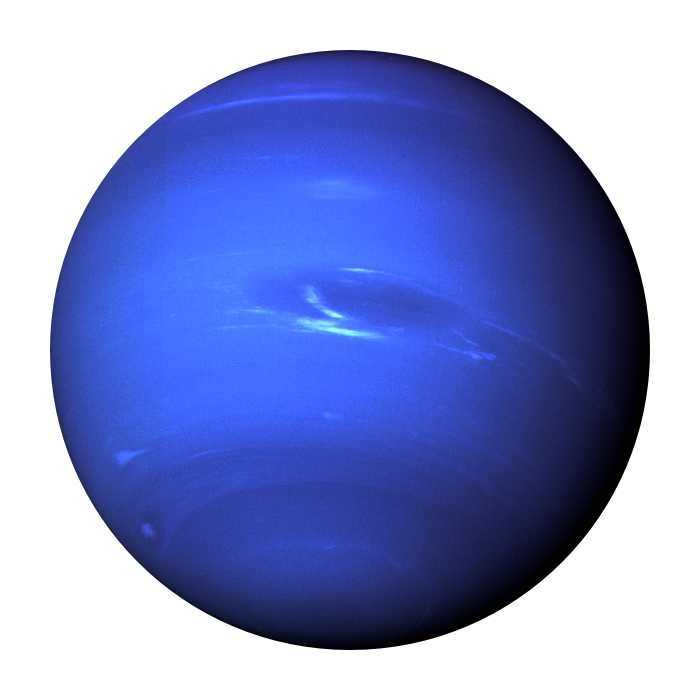
Neptune is the eighth planet from the Sun making it the most distant in the solar system. This gas giant planet may have formed much closer to the Sun in early solar system history before migrating to its present position. Neptune Planet Profile ...
0 comments
All Things Astronomy
May 15, 2018May 2018

Posted by AntaresRose
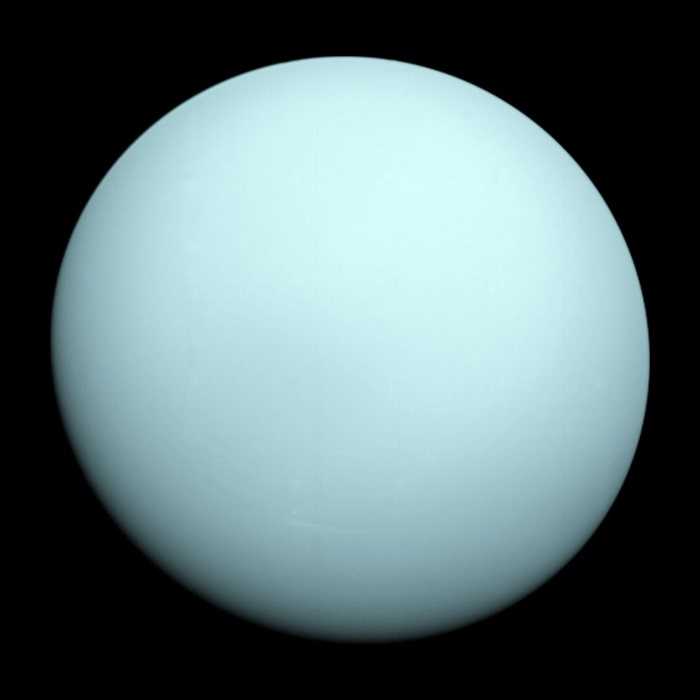
Uranus is the seventh planet from the Sun. While being visible to the naked eye, it was not recognised as a planet due to its dimness and slow orbit. Uranus became the first planet discovered with the use of a telescope. Uranus is tipped over on its ...
1 comment
All Things Astronomy
May 15, 2018May 2018

Posted by AntaresRose
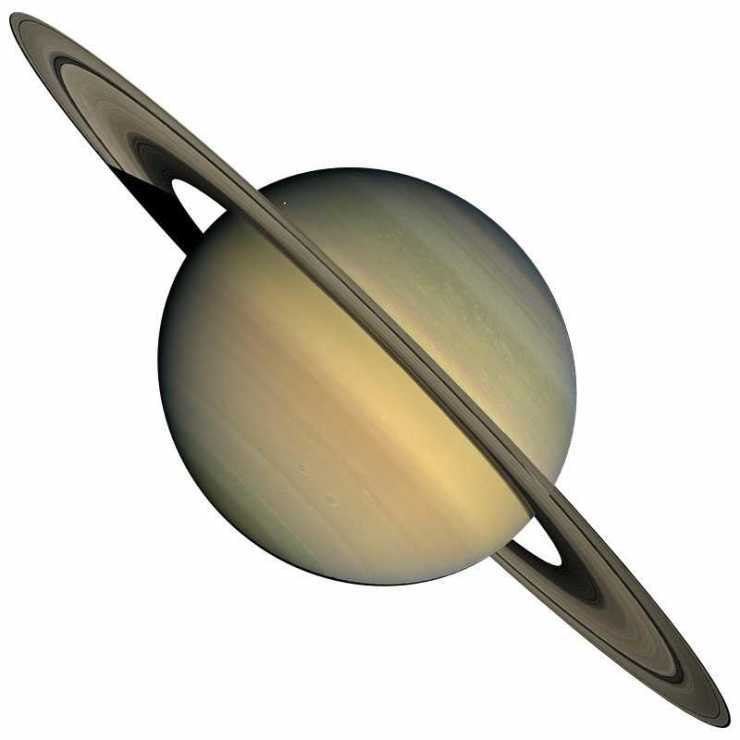
Saturn is the sixth planet from the Sun and the most distant that can be seen with the naked eye. Saturn is the second largest planet and is best known for its fabulous ring system that was first observed in 1610 by the astronomer Galileo Galilei. ...
0 comments
All Things Astronomy
May 15, 2018May 2018

Posted by AntaresRose
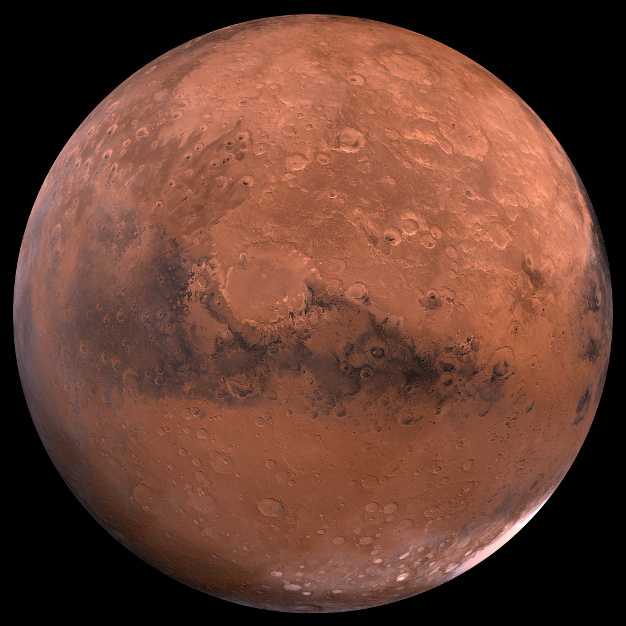
Mars is the fourth planet from the Sun and is the second smallest planet in the solar system. Named after the Roman god of war, Mars is also often described as the “Red Planet” due to its reddish appearance. Mars is a terrestrial planet with a ...
0 comments
All Things Astronomy
May 15, 2018May 2018

Posted by AntaresRose
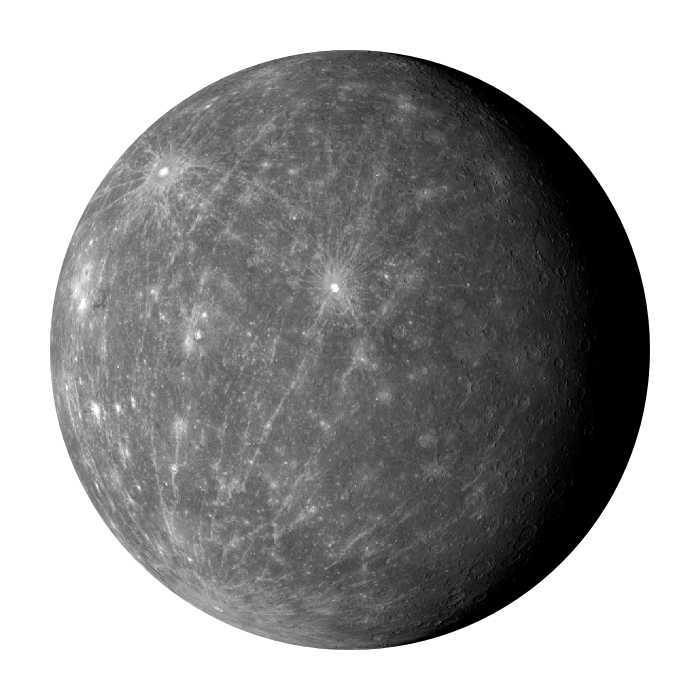
Mercury is the closest planet to the Sun and due to its proximity it is not easily seen except during twilight. For every two orbits of the Sun, Mercury completes three rotations about its axis and up until 1965 it was thought that the same side of ...
0 comments
All Things Astronomy
May 15, 2018May 2018

Posted by AntaresRose
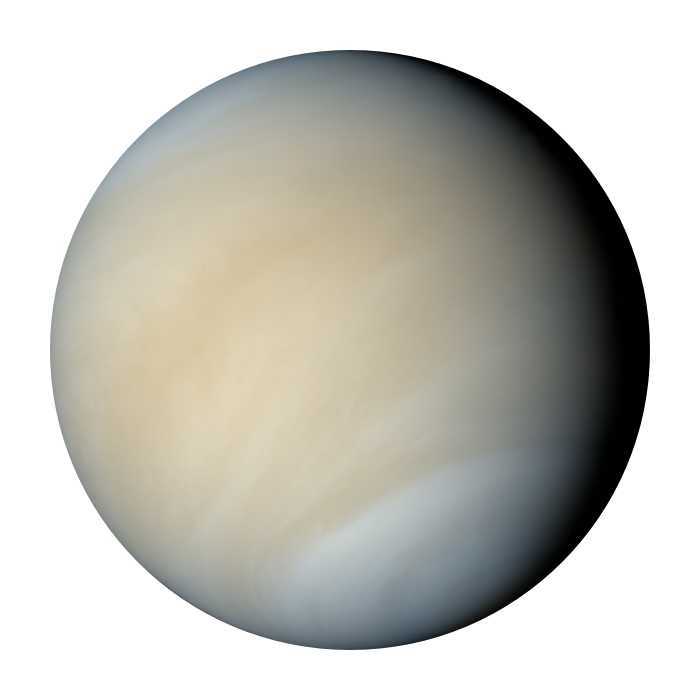
Venus is the second planet from the Sun and is the second brightest object in the night sky after the Moon. Named after the Roman goddess of love and beauty, Venus is the second largest terrestrial planet and is sometimes referred to as the Earth’s...
0 comments
All Things Astronomy
May 15, 2018May 2018

Posted by AntaresRose
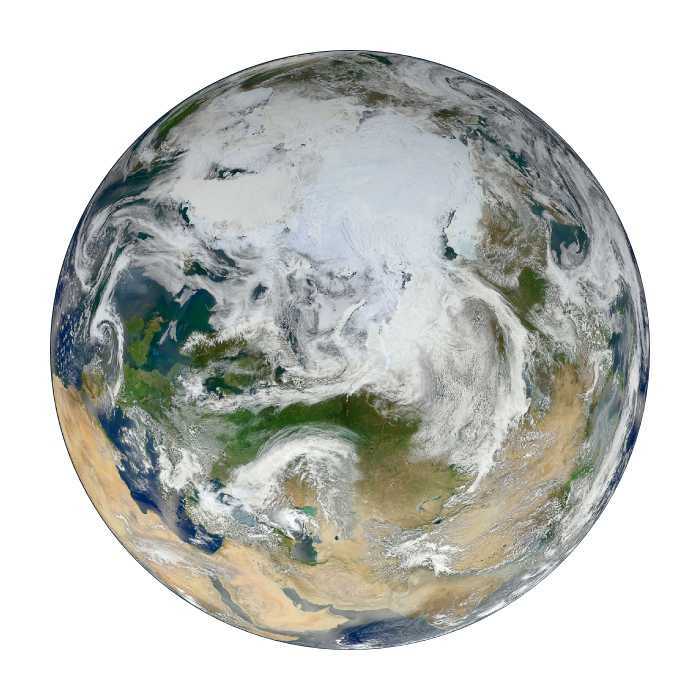
Earth is the third planet from the Sun and is the largest of the terrestrial planets. The Earth is the only planet in our solar system not to be named after a Greek or Roman deity. The Earth was formed approximately 4.54 billion years ago and is the ...
1 comment
All Things Astronomy
May 15, 2018May 2018

Posted by AntaresRose
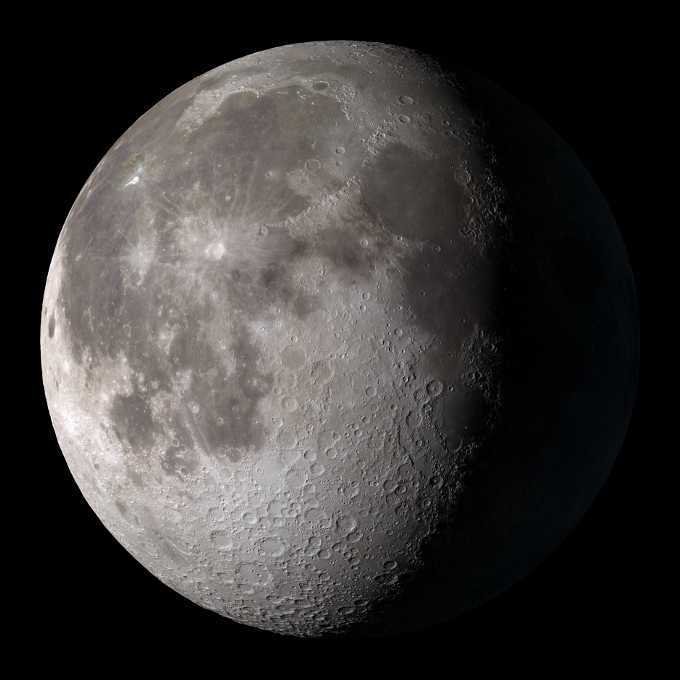
MOON FACTS The Moon (or Luna) is the Earth’s only natural satellite and was formed 4.6 billion years ago around some 30–50 million years after the formation of the solar system. The Moon is in synchronous rotation with Earth meaning the same side...
0 comments
All Things Astronomy
May 19, 2018May 2018

Posted by AntaresRose
The conservation of energy is an absolute law, and yet it seems to fly in the face of things we observe every day. Sparks create a fire, which generates heat—manifest energy that wasn’t there before. A battery produces power. A nuclear bomb ...
1 comment
All Things Astronomy
May 22, 2018May 2018

Posted by vcg1234
Mr. Universe discusses liquid water plumes on Europa.
0 comments
All Things Astronomy
May 28, 2018May 2018

Posted by QuintKnickers
POLLJust wondering if there's consensus here.
  • 0 votes
  • 2 votes
  • 0 votes
2 comments
All Things Astronomy
May 28, 2018May 2018

Posted by AntaresRose
Should Pluto Be a Planet After All? Experts Weigh In Artist's impression of Pluto and Charon as seen from one of Pluto's other moons. Credit: David Aguilar/Center for Astrophysics Now that Pluto may have regained its status as the largest object in ...
3 comments
All Things Astronomy
Mar 20, 2019Mar 2019

Posted by AntaresRose
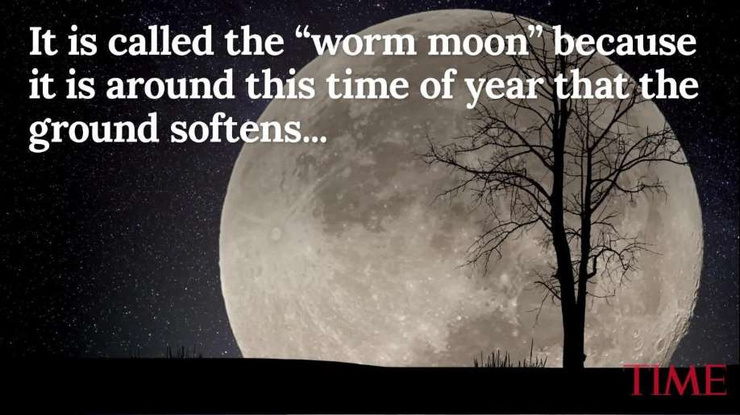
Today new worm moon, or Supermoon.
1 comment
All Things Astronomy
Mar 24, 2019Mar 2019

Posted by VineetHonkan
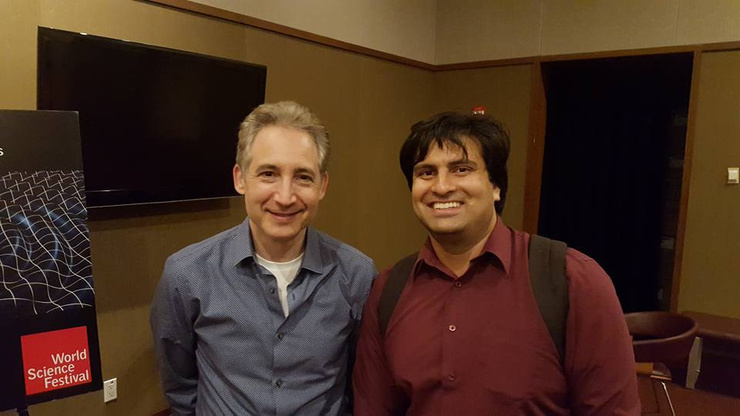
Same place, same year, but you know who this is...
1 comment
All Things Astronomy
Apr 1, 2019Apr 2019

Posted by Lukian
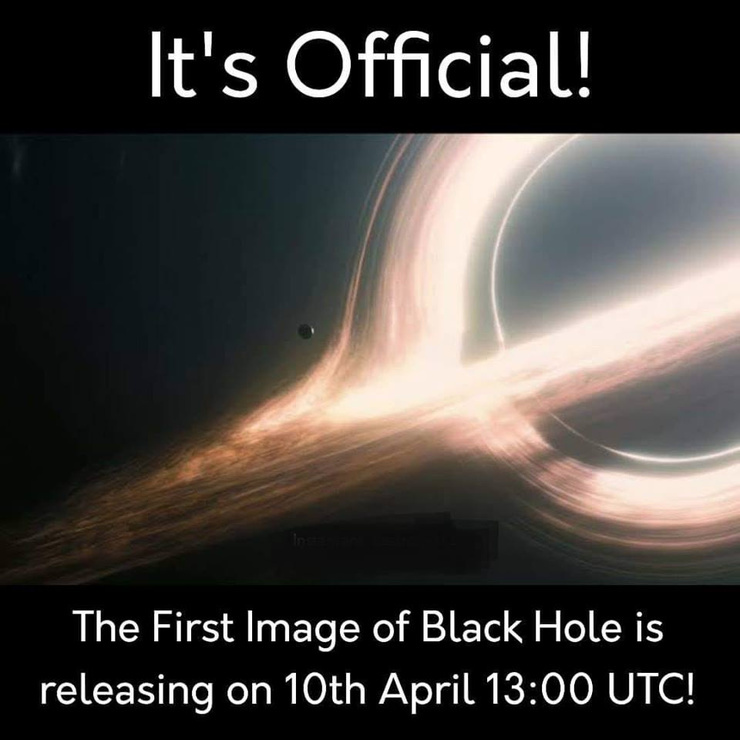
Mark you calendars: April 10th, the first picture of the blackhole in the middle of our galaxy will be revealed!
4 comments
All Things Astronomy
Apr 3, 2019Apr 2019

Posted by VineetHonkan
So, I read somewhere that the relatively recent (as in within the past couple of years or so) discovery of Trappist 7 would prove to be a possible habitable home colony for humans of the future (already got some stories in my mind on it!) . However, ...
1 comment
All Things Astronomy
May 17, 2019May 2019

Posted by Lukian
Hi all, I will be suspending or deleting my account here in a week or so. That means this group will need a new owner. If you wish to take responsibility for this group then send me a PM. I will reply in a couple of days to the one that will ...
3 comments
Shared from Academic (e.g., Science)
Sep 4, 2019Sep 2019

Posted by yvilletom
Here’s Neil deGrasse Tyson, in Astrophysics for People in a Hurry, 2017, on page 17: “In the beginning, nearly fourteen billion years ago, all the space and all the matter and all the energy of the known universe was contained in a volume less ...
2 comments
All Things Astronomy
Sep 9, 2019Sep 2019

Posted by yvilletom
Common Misconceptions 3: A Preview, Three Voices Today’s scientists have substituted mathematics for experiments, and they wander off through equation after equation, and eventually build a structure which has no relation to reality. Nikola Tesla...
3 comments
All Things Astronomy
Sep 20, 2019Sep 2019

Posted by yvilletom
Common Misconception 3, Part 2: If you’re not doing math, you’re not doing science. Answer: Science does not begin with mathematics, but with direct observation, experiment, and insights into cause-and-effect relationships. . . . Today’s ...
2 comments
All Things Astronomy
Oct 21, 2019Oct 2019

Posted by Hathacat
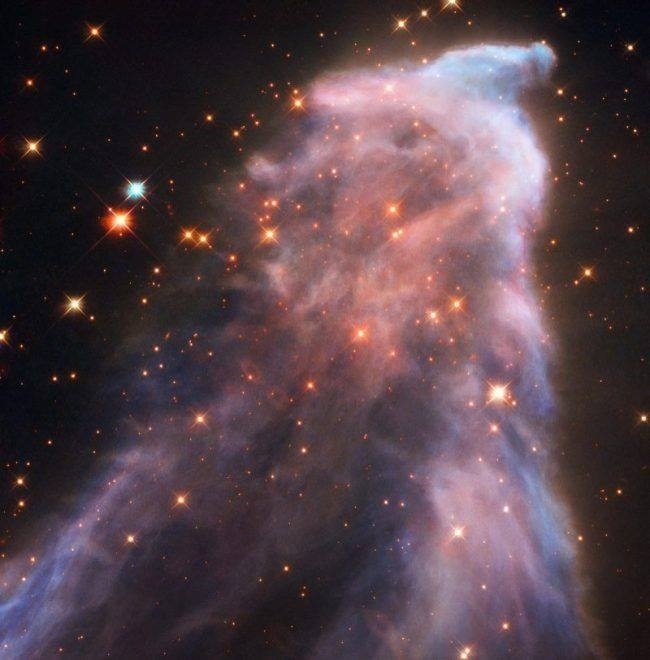
Ghost Nebula
0 comments
All Things Astronomy
Oct 30, 2019Oct 2019

Posted by ToolGuy
The facts about the Black Knight conspiracy.
1 comment
Shared from Academic (e.g., Science)
Dec 22, 2019Dec 2019

Posted by yvilletom
The Electric Reality — Briefly Electric Universe cosmology is based on electrically charged bodies embedded in a charged plasma. Plasma is a gas in which electrons have been removed from some of the atoms—in short the gas is ionized. Like a ...
1 comment

Photos 424 More

Posted by starwatcher-alThe occultation of Mars on the 7th.

Posted by starwatcher-alThe occultation of Mars on the 7th.

Posted by starwatcher-alSolar minimum was in 2019 so the sun is ramping up in flares, spots and prominences.

Posted by starwatcher-alI missed the early phases of the eclipse but the clouds mostly left during totality. All in all a great eclipse. Next one is Nov. 8-22

Posted by starwatcher-alI missed the early phases of the eclipse but the clouds mostly left during totality. All in all a great eclipse. Next one is Nov. 8-22

Posted by RobecologyFor those following the JWST.

Posted by AnonySchmoose The post-launch set-up of the new James Webb telescope has gone very well.

Posted by HumanistJohnImages taken with Stellina (80 mm): M33 Triangulum Galaxy M1 Crab Nebula NGC281 Pacman Nebula in Cassiopeia NGC 6992 Veil Nebula in Cygnus

Posted by HumanistJohnImages taken with Stellina (80 mm): M33 Triangulum Galaxy M1 Crab Nebula NGC281 Pacman Nebula in Cassiopeia NGC 6992 Veil Nebula in Cygnus

Posted by HumanistJohnImages taken with Stellina (80 mm): M33 Triangulum Galaxy M1 Crab Nebula NGC281 Pacman Nebula in Cassiopeia NGC 6992 Veil Nebula in Cygnus

Posted by HumanistJohnImages taken with Stellina (80 mm): M33 Triangulum Galaxy M1 Crab Nebula NGC281 Pacman Nebula in Cassiopeia NGC 6992 Veil Nebula in Cygnus

Posted by HumanistJohnImages taken October 2nd 2021 with Stellina 1.

Posted by HumanistJohnImages taken October 2nd 2021 with Stellina 1.

Posted by HumanistJohnImages taken October 2nd 2021 with Stellina 1.

Posted by starwatcher-al Did you know that you can see Venus in the daytime?

Posted by starwatcher-alOne of these days I think that I'll figure out this Nikon.

Members 730Top

Moderator

Related Groups